
by admin | Jun 12, 2026 | Blogs For An Employer | Top Recruitment Agency in India |, Blogs | Top Recruitment Agency in India |, GICs and GCCs
Global Capability Centres (GCCs) have evolved into strategic hubs that drive innovation, technology development, business operations, analytics, and customer experience for multinational organisations. As GCCs continue to expand across India, workforce expectations...

by admin | Jun 5, 2026 | Blogs For An Employer | Top Recruitment Agency in India |, Blogs | Top Recruitment Agency in India |, Clever job descriptions | Top Recruitment Agency in India |, Effective recruitment | Top Recruitment Agency in India |, Recruiting Ideas | Top Recruitment Agency in India |
The job description is the first thing a candidate sees. It is your first impression, your employer brand statement, and your candidate filter. Yet in most organisations, the job description is treated as an afterthought: a list of requirements copied from the last...

by admin | Jun 4, 2026 | Blogs For An Employer | Top Recruitment Agency in India |, Blogs | Top Recruitment Agency in India |, Effective recruitment | Top Recruitment Agency in India |
Ask most organisations how they measure recruitment success, and they will point to time-to-hire or cost-per-hire. These are useful, but they are only basic indicators of whether you are actually making good hires. A role filled in two weeks is not a success if that...

by admin | May 28, 2026 | Blogs For An Employer | Top Recruitment Agency in India |, Blogs | Top Recruitment Agency in India |, Effective recruitment | Top Recruitment Agency in India |, Recruiting Ideas | Top Recruitment Agency in India |
Hiring decisions often begin with urgency. A project needs to move forward, a department requires additional support, or a business expansion creates immediate workforce demand. In such moments, companies focus on filling an open role as quickly as possible. While...
by admin | May 5, 2026 | Blogs For An Employer | Top Recruitment Agency in India |, Blogs | Top Recruitment Agency in India |, Effective recruitment | Top Recruitment Agency in India |
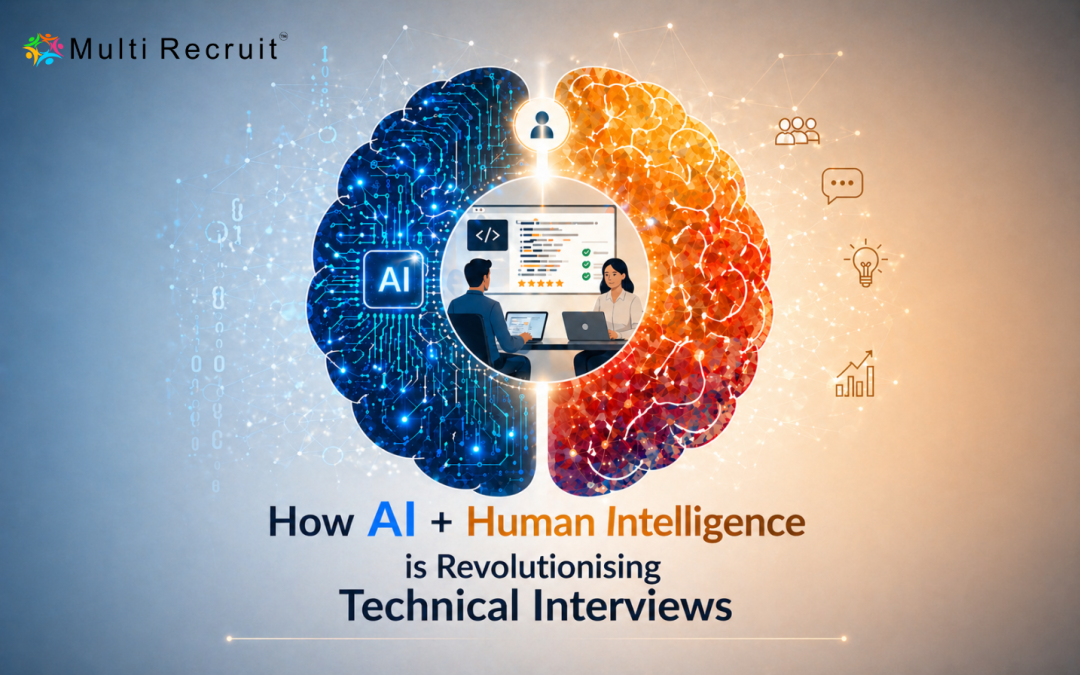
Technical interviews have long been the backbone of hiring for engineering and technology roles. Yet, for many organisations, the process remains inconsistent, time-intensive, and heavily dependent on individual interviewer capabilities. As businesses scale and...

by admin | Apr 30, 2026 | Blogs For An Employer | Top Recruitment Agency in India |, Blogs | Top Recruitment Agency in India |, Effective recruitment | Top Recruitment Agency in India |
Still, many organisations operate with disconnected processes that slow them down. Recruiters source candidates from multiple platforms, hiring managers rely on inconsistent evaluation methods, and decision-making often lacks real-time data. The result is a hiring...
