
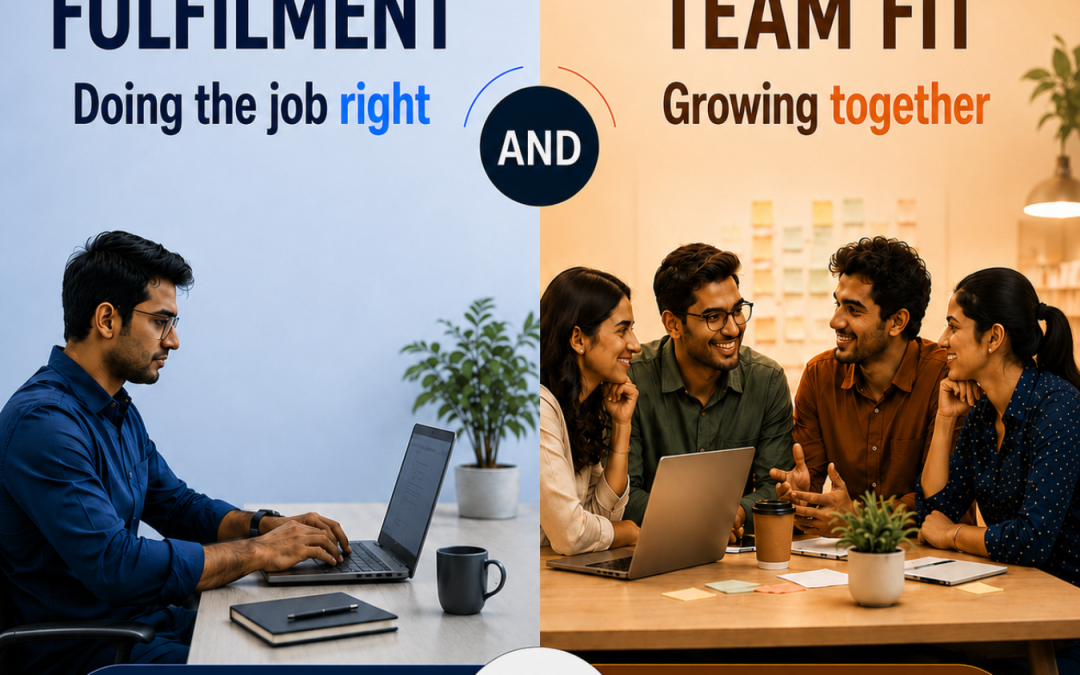
Hiring decisions often begin with urgency. A project needs to move forward, a department requires additional support, or a business expansion creates immediate workforce demand. In such moments, companies focus on filling an open role as quickly as possible. While speed and efficiency are important, hiring solely for short-term requirements can create challenges that surface later in performance, collaboration, and retention.
The difference between role fulfilment and long-term team fit becomes important for growing businesses that want stability alongside growth. Companies that understand this distinction are often better positioned to build stronger teams, maintain productivity, and create healthier workplace cultures.
For organisations working with a talent acquisition company, balancing both priorities has become a key part of modern hiring strategies.
Understanding Role Fulfilment
Role fulfilment focuses on meeting an immediate hiring requirement. The priority is to find a candidate who possesses the technical qualifications, certifications, experience, or domain expertise needed for a specific position.
For example, a company hiring a cloud architect for an urgent migration project may prioritise technical capability, project exposure, and availability. In industries such as IT, BFSI, healthcare, and e-commerce, quick access to skilled professionals often directly impacts operational timelines and revenue goals.
Role fulfilment plays a critical role in business continuity. Teams cannot operate effectively when essential positions remain vacant for extended periods. In fast-moving sectors such as mobile development, cloud architecture, and data science, hiring speed often becomes a competitive advantage. However, technical capability alone does not always determine long-term success within a company.
What Long-Term Team Fit Means
Long-term team fit focuses on how well a candidate aligns with the organisation’s work environment, communication style, leadership expectations, adaptability, and future direction.
An employee may excel technically yet struggle to collaborate within cross-functional teams. Another candidate may have slightly less experience but demonstrate strong learning ability, accountability, and alignment with company culture. Over time, the second candidate may contribute more consistently to team performance and organisational growth.
Long-term fit often influences:
- Employee retention
- Internal collaboration
- Leadership development
- Team morale
- Adaptability during change
- Knowledge continuity
Businesses investing in sustainable growth increasingly evaluate these qualities during the hiring process. A strong hire contributes beyond immediate deliverables and becomes part of the organisation’s evolving workforce strategy.
This is where a recruitment partner for businesses adds significant value by evaluating both technical readiness and behavioural alignment.
Why Companies Often Prioritise One Over the Other
Many organisations unintentionally lean heavily toward role fulfilment because immediate operational needs feel more urgent than future workforce planning. Hiring managers may focus on project deadlines, workload pressure, or replacement timelines.
In high-growth environments, especially within sectors such as IT recruitment solutions and e-Commerce recruitment services, rapid hiring cycles can sometimes reduce the depth of candidate evaluation.
At the same time, companies that focus only on cultural compatibility without evaluating performance capability may face productivity challenges. Teams require both competence and alignment to succeed consistently. A balanced hiring strategy recognises that role fulfilment and long-term fit support different aspects of organisational success.
The Cost of Ignoring Long-Term Fit
A technically qualified employee who struggles with communication, adaptability, or collaboration may eventually impact the broader team environment. High turnover creates additional recruitment costs, onboarding effort, productivity disruption, and leadership strain.
Some common outcomes of poor long-term fit include:
- Increased employee attrition
- Reduced team engagement
- Delayed project execution
- Frequent rehiring cycles
- Challenges in leadership succession
For companies scaling across multiple departments or geographic locations, these issues can become even more complex. Working with a workforce solutions company that understands organisational structure, growth plans, and team dynamics can help businesses make more informed hiring decisions.
Building a Balanced Hiring Strategy
Strong hiring outcomes usually come from balancing immediate capability with future alignment. Companies that achieve this balance often create more resilient teams over time.
Several hiring practices support this approach naturally:
- Evaluating adaptability alongside technical skills
- Including behavioural and situational interviews
- Understanding team collaboration preferences
- Assessing long-term career motivation
- Considering learning potential for evolving roles
Businesses using end-to-end recruitment solutions often benefit from more structured hiring processes that examine both current performance needs and future workforce objectives.
Technology also plays an important role. Solutions such as video interviewing allow organisations to evaluate communication style, confidence, and interpersonal alignment earlier in the hiring process.
Role Fulfilment vs Long-Term Fit
|
Aspect |
Role Fulfilment |
Long-Term Team Fit |
|
Primary Focus |
Filling an immediate vacancy with the required technical skills |
Building a team that collaborates, adapts, and grows together over time |
|
Hiring Priority |
Speed, availability, and job-specific expertise |
Alignment with company culture, communication style, and long-term goals |
|
Evaluation Criteria |
Certifications, experience, technical proficiency, and project exposure |
Adaptability, collaboration, a learning mindset, and interpersonal compatibility |
|
Business Impact |
Supports immediate operational continuity and project execution |
Strengthens retention, team stability, and organisational growth |
|
Time Horizon |
Short-term workforce requirement |
Long-term workforce sustainability |
|
Common Hiring Scenarios |
Urgent project needs, replacement hiring, seasonal demand, contract staffing |
Leadership development, scaling teams, succession planning |
|
Risk if Ignored |
Delayed projects and operational bottlenecks |
Higher attrition, reduced collaboration, and cultural disconnect |
|
Ideal Recruitment Approach |
Fast and targeted sourcing through a hiring solutions provider |
Strategic workforce planning with a recruitment partner for businesses |
|
Best Outcome |
Quick productivity and faster onboarding |
Stronger employee engagement and long-term performance consistency |
|
Balanced Hiring Strategy |
Technical capability aligned with immediate responsibilities |
Cultural alignment combined with growth potential and team contribution |
The Role of Recruitment Partners in Long-Term Hiring Success
Modern hiring requires more than database access and resume screening. Organisations increasingly expect strategic hiring guidance from their recruitment partners. A trusted recruitment services company helps businesses:
- Define hiring priorities clearly
- Identify role-specific competencies
- Improve candidate evaluation processes
- Reduce time-to-hire
- Strengthen retention outcomes
For businesses expanding into specialised technology functions such as web development and full stack development, recruitment partners also help align technical expertise with organisational culture and team expectations.
As a recruitment company in India, Multi Recruit supports businesses with strategic hiring solutions designed for both immediate workforce needs and long-term organisational growth.
Build Teams Designed for Long-Term Success
Role fulfilment helps companies maintain operational momentum. Long-term team fit strengthens collaboration, stability, and future growth. Organisations that recognise the importance of both are often better equipped to build high-performing teams that evolve successfully over time.
Hiring decisions influence more than project outcomes. They shape workplace culture, leadership development, employee retention, and business continuity. A balanced hiring strategy allows companies to strengthen both short-term execution and long-term workforce success.
Hire Smarter with Multi Recruit
Looking to strengthen your hiring strategy with the right balance of skill, adaptability, and long-term team alignment? Connect with Multi Recruit, a trusted global recruitment solutions provider offering strategic hiring support across industries and technologies. Get in touch today to explore customised recruitment solutions for your business.